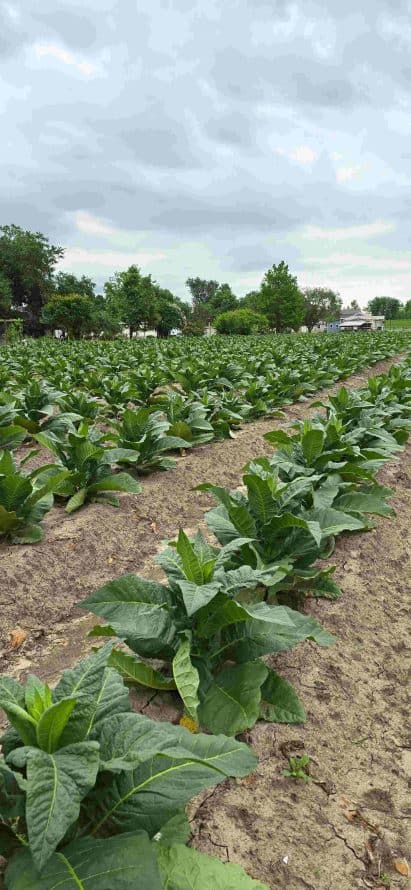
I have known about Perique tobacco for years. Highly sought after, a unique tobacco with a long history and unlike any other in the world. It is grown in Louisiana and only commercially grown in St James Parish, in what is known as Louisiana’s River Parishes. At one time there were a lot of farmers growing and shipping Perique all over the world. Known to many pipe smokers and cigar enthusiasts, Perique is still highly sought after but only a handful of farmers produce it today. The reason? It is a tedious and time-consuming process to produce this savory tobacco, and a lot of young people have left the farms and moved into other jobs. It takes a special person to be a farmer and few that want to keep the cultural traditions alive and do what it takes to run a tobacco farm. I was fortunate to finally visit a farm where they grow, ferment and produce Perique for clients who use this historic tobacco in their blends.
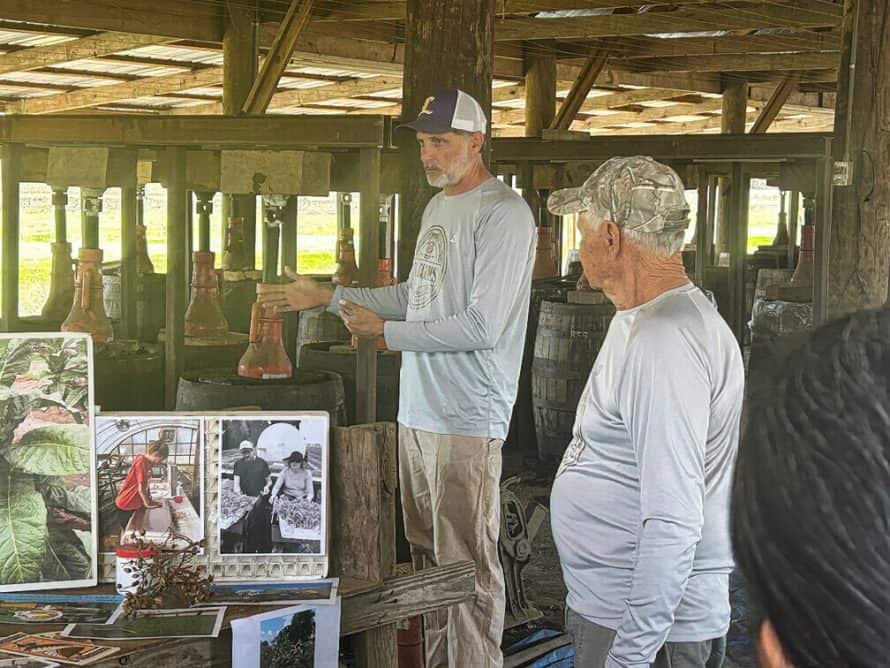
Located midway between Baton Rouge and New Orleans along the banks of the Mississippi River, 31 Farms is run by father and son, Ricky and Derek Roussel, who keep the tradition and methods used for over 100 years alive.
The Origins of Perique Tobacco
A Historic Louisiana Craft
If you want to learn about the history of Perique tobacco you have to go back to the late 1700’s and the early settlers of St James Parish, when Acadians arrived in the region. The early settlers discovered that the Choctaw and Chickasaw tribes were cultivating a variety of tobacco with a distinctive flavor. After harvesting and allowing the leaves to dry, they were packed tightly into hollowed out trees or logs. Heavy rocks were placed on the leaves forcing out the air and allowing the leaves to release the juices, occasionally turning the leaves which allowed them to ferment uniformly.
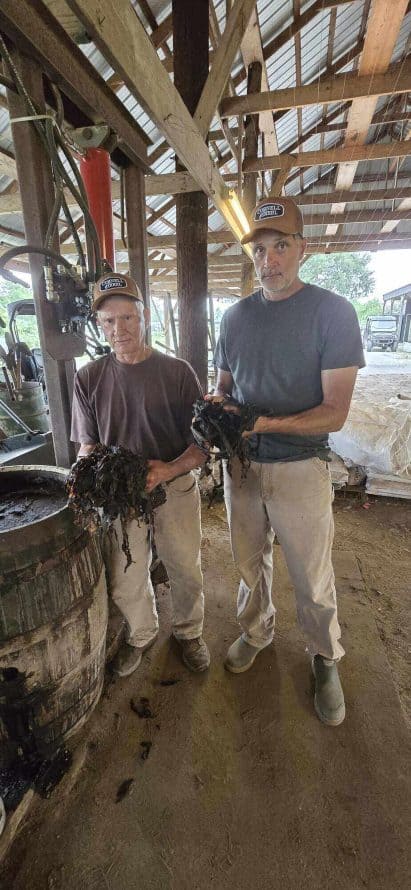
A farmer, Pierre Chenet transformed the technique by placing the tobacco in used whisky barrels and using screw jacks to apply pressure. This labor-intensive production is still used today with very little change over the years. The result is an almost black tobacco that is very moist with a fruity aroma. In the late 1800’s farmers produce significant amounts of Perique with one company alone producing between 400,000 to 500,000 pounds per year, with most shipped to Europe where it was prized for its unique flavor and used mainly as pipe tobacco.
While Perique can be grown in several places, St James Parish produces the highest quality and is considered the Perique capitol. This is due mainly to the strain of tobacco, which is the closest to the historic Perique produced by the Choctaw and Chickasaw tribes as well as the soil and the water at this part of the Mississippi River leaching the minerals into the soil.
Today there are only a couple of farms commercially producing Perique and 31 Farms is the one leading the fight to keep the tobacco alive.
How One Farm Keeps the Tradition Alive
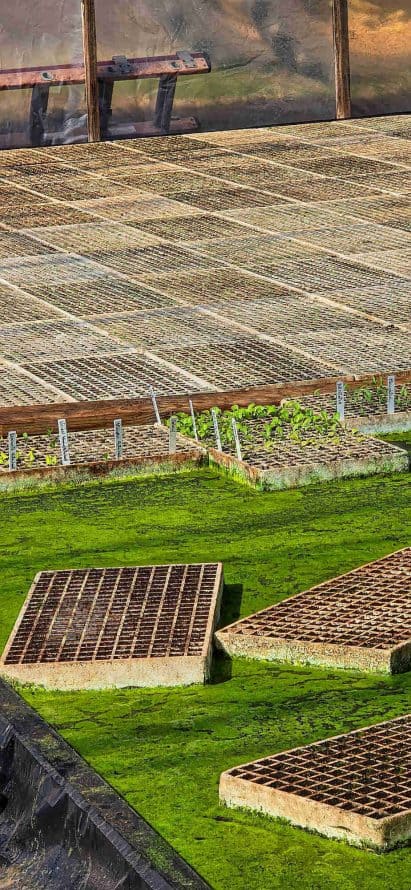
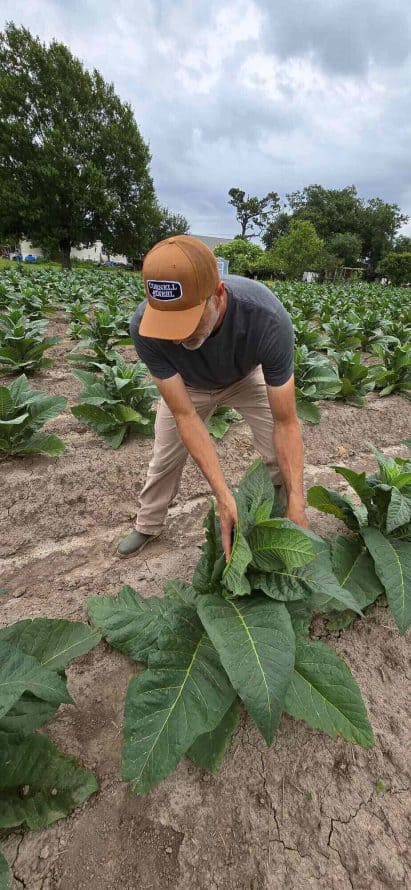
A few years ago, father and son Ricky and Derek Roussel resurrected their Perique tobacco farming that has a generational history dating back to Ricky’s great-great-grandfather. Today they are one of a handful of farms that produce this historic tobacco. The tobacco is carefully grown from seeds collected over the years from the best plants and start out in a greenhouse grown on floating beds. Once the seedlings reach a certain growth stage, they are planted in the fields where the quick growing plants reach maturity in a matter of months. During that time the flowers are topped off the plants resulting in larger, thicker, higher quality leaves with a higher nicotine level. Once the plants reach maturity they are picked, dried and ready for the next step.
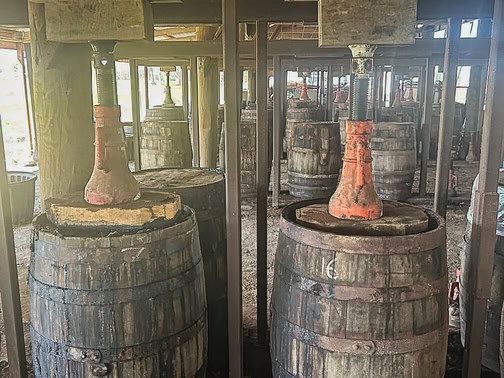
This is what makes Perique stand out. The leaves are put in bundles and packed tightly in used whisky barrels where hydraulic pressure is used to force out the air and make the leaves sweat, releasing their natural juices. The tobacco is turned a few times and allowed to ferment up to a year before it is then shipped off to buyers. At one point Perique was used in cigarettes, cigars, pipe tobacco and chewing tobacco but today the majority is used in the making of pipe tobacco however a small amount is used in cigars.
Cultural and Historical Significance
Perique holds a special place in the culture of early Acadians and the indigenous people of Louisiana and is one of the oldest continuous strains of tobacco grown in the United States. 31 Farms is keeping the culture and history alive and is producing a highly sought after crop in the tobacco industry. So why aren’t there more farmers? Well because St James Parish is the only place that has the right combination of soil, nutrients and minerals that can produce the best quality of Perique sought after. Add to the fact Perique is a highly labor intensive crop to farm and produce an end product, and many younger people have lost interest in farming.
Why Perique Tobacco Matters
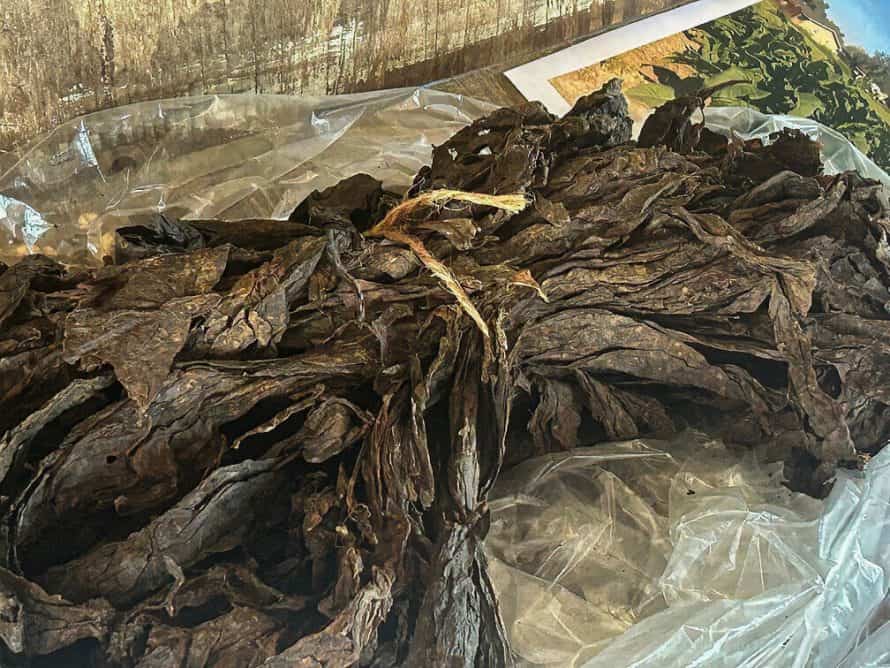
Perique is a symbol of Louisiana’s cultural landscape. Pipe enthusiasts revere its flavor and legacy and recognize it as one of the few remaining connections to early American tobacco craftsmanship. The rarity and care required to cultivate it make it a living piece of history and the Roussel family is keeping it alive.
Preserving a Vanishing Heritage
With the changes in modern agriculture and small farms are merged into corporate run farms churning out products based on efficiency and speed instead of craftsmanship and the love of the product is is important that places like 31 Farms are keeping the tradition alive. By safeguarding the rituals, knowledge, culture and tradition that might otherwise disappear, Ricky and Derek Roussel are ensuring future generations can experience a piece of Louisiana history and keep Perique tobacco alive.
Visiting and Experiencing the Tradition
Touring the Farm
If you are traveling to Louisiana and want to experience how Perique tobacco is farmed and produced, you can visit 31 Farms located in St James Parish. Since the farm is a small family owned farm the best way to visit is to coordinate with LA River Parishes, the local tourism bureau. They can set up a time for you to visit with Ricky and Derek and learn all about the history of Perique and what it takes to produce this unique tobacco.
Conclusion
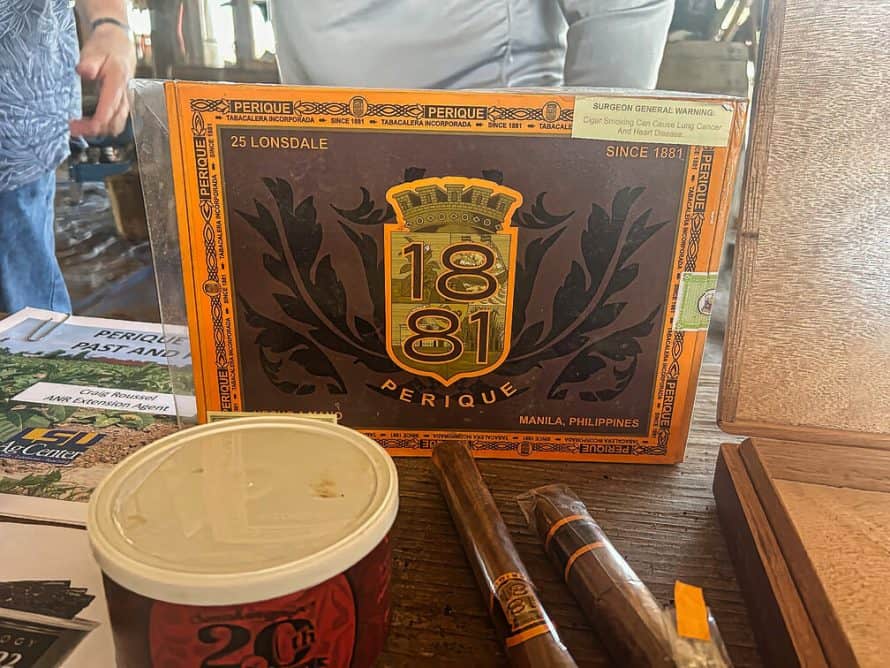
Now, most of you know I love cigars and smoke way to many of them per day. I mentioned earlier that Perique is used primarily in pipe tobacco, but a small percentage is used in cigars. One of the only manufactures of cigars using Perique is Tabacalera Incorporada, located in Manila Philippines, the first and oldest cigar factory in Asia. The story of how they started using Perique is interesting and when you visit 31 Farms they can tell you the story. Unfortunately for me and others, the cigars they produce using Perique are primarily sold in Europe and only a handful of cigar shops in the United States carry them and even then, only sporadically.
The history of Perique tobacco is one of heritage, devotion and resilient families. 31 Farms preserves century old practices and vanishing traditions for future generations. For travelers, historians and tobacco enthusiasts, visiting this farm is an opportunity to witness a cultural legacy. By visiting and supporting such farms and learning about the craft you are ensuring that Perique tobacco remains a living part of Louisiana history and not a memory of the past.





Leave a Reply